
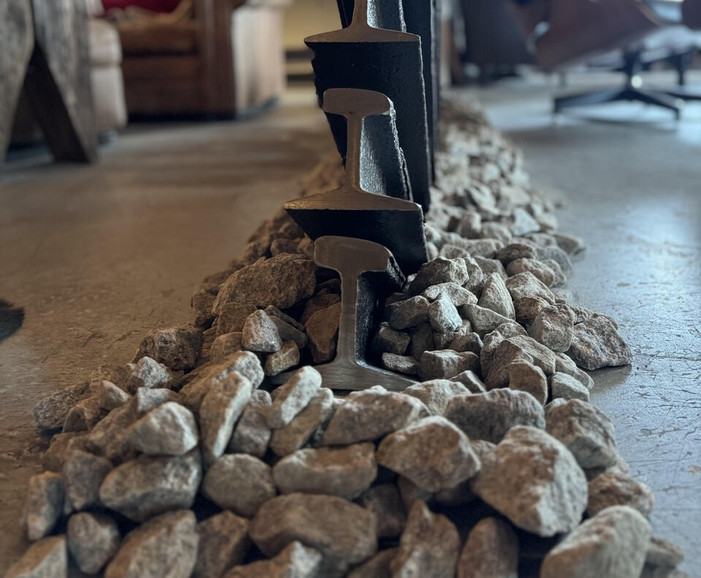
Railroad Granite: The Foundation Beneath the Tracks
Posted by Sally Hendrick on Jun 24th 2026
When most people picture a railroad, they see steel rails, wooden ties, and powerful locomotives. Yet one of the most important components of the railroad system is often overlooked: the granite beneath the tracks.
Known as railroad ballast, crushed granite forms the rugged bed supporting railroad ties and rails. It may appear to be nothing more than a layer of loose rock, but each piece serves an essential purpose in keeping trains moving safely and efficiently.
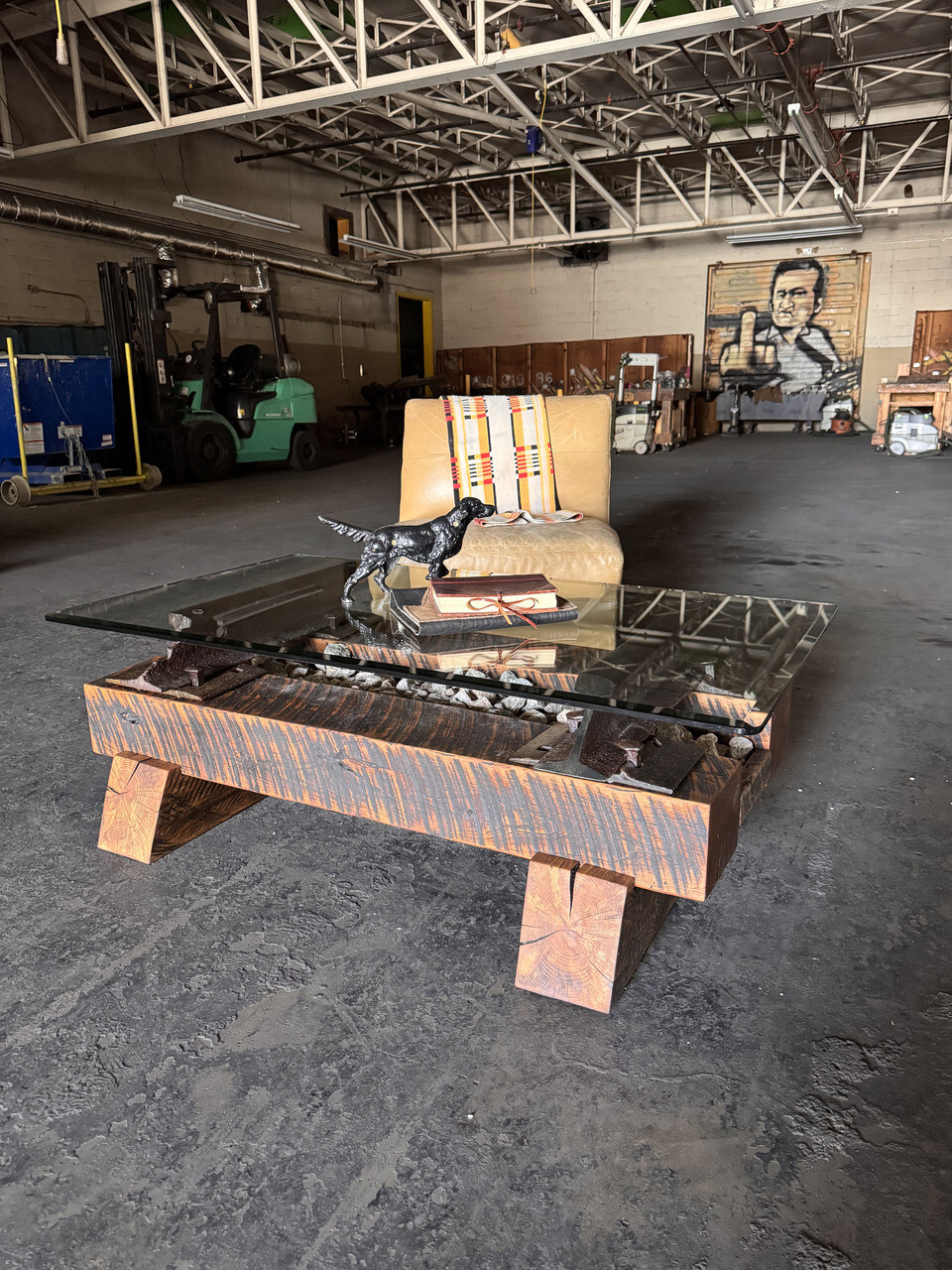
Why Railroads Use Crushed Granite
Railroad tracks must withstand tremendous weight and constant vibration. A loaded freight train places enormous pressure on the rails, ties, and ground below. Crushed granite helps distribute that weight across a wider area, reducing stress on individual sections of the track structure.
Granite is especially valuable because it is hard, durable, and resistant to weathering. Its sharp, angular edges lock together more effectively than smooth river rock. This creates a stable foundation while still allowing enough flexibility to absorb vibration as trains pass.
Controlling Water and Vegetation
Drainage is another important function of railroad granite. Water collecting around railroad ties can soften the ground, contribute to erosion, and accelerate the deterioration of wooden components.
The spaces between pieces of ballast allow rainwater to drain away from the track structure. Proper drainage helps prevent the rails from shifting or becoming uneven during periods of heavy rain, freezing temperatures, or thawing ground.
A well-maintained ballast bed also discourages vegetation from growing around the tracks. Weeds and roots can interfere with drainage, conceal track problems, and make inspections and maintenance more difficult.
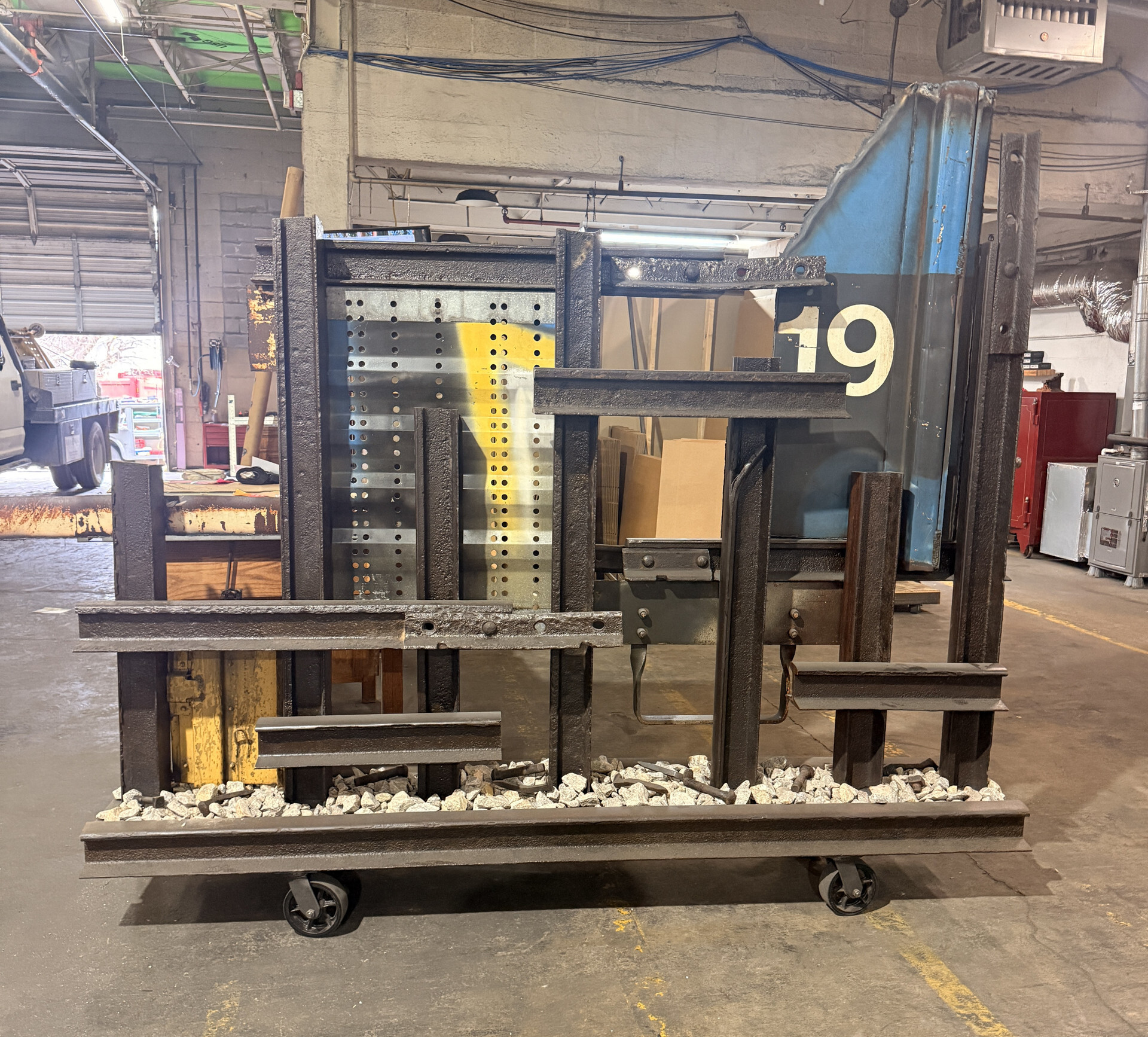 Keeping the Track in Position
Railroad ballast holds ties firmly in place while resisting movement in multiple directions. It helps prevent the track from spreading under the weight of a train or shifting sideways as locomotives travel around curves.
Over time, ballast can become rounded, contaminated with soil, or pushed out of position. Railroad crews use specialized equipment to lift the track, pack granite beneath the ties, and restore the proper elevation and alignment. New ballast may be added when the existing stone no longer provides adequate drainage or support.
Supporting Safer Railroad Operations
Railroad granite works quietly beneath every passing train. It supports the ties, stabilizes the rails, controls drainage, absorbs vibration, and helps the track maintain its correct position.
Although locomotives and steel rails receive most of the attention, the entire system depends on the strength of the foundation beneath them. Without a properly designed and maintained ballast bed, tracks would be more vulnerable to movement, erosion, uneven settlement, and structural failure.
Railroad granite may not be the most visible part of the railway, but it is one of the most essential.