
The Bridge That Changed Railroad Engineering
Posted by Sally Hendrick on Sep 23rd 2026
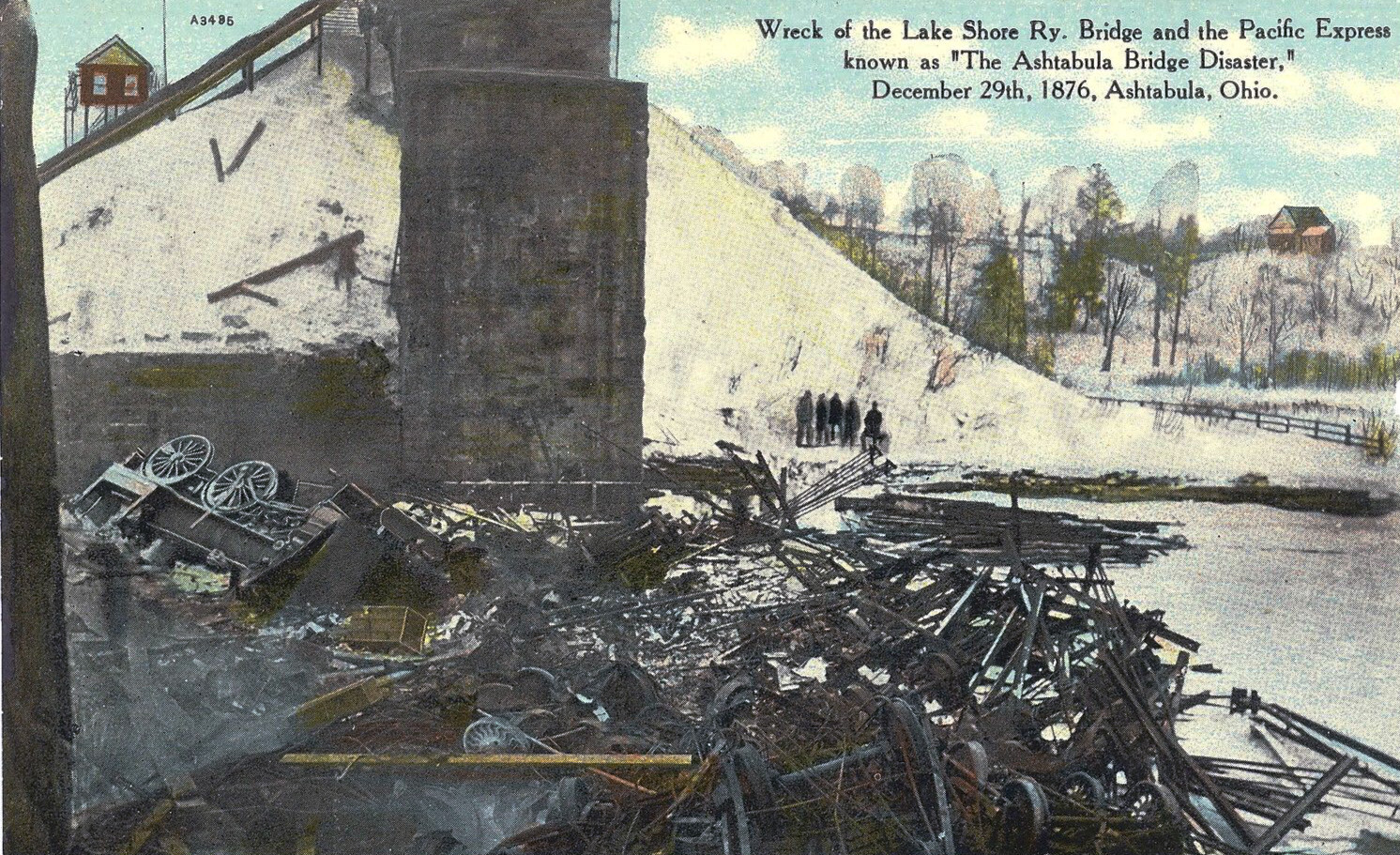
On a bitter December night in 1876, a passenger train approached the Ashtabula River in northeastern Ohio. Snow was falling heavily as the train began crossing an iron railroad bridge nearly 160 feet long.
Then the bridge gave way.
The locomotive made it across, but much of the train plunged roughly 70 feet into the ravine below. Fires broke out among the wrecked wooden passenger cars, turning an engineering failure into one of the deadliest railroad disasters of the era.
Nearly 100 people were killed.
 A Bridge Built for a Changing Railroad
The Ashtabula bridge had been built in 1865 using an experimental all-iron adaptation of a Howe truss. Railroads were expanding rapidly, locomotives were becoming heavier, and engineers were pushing bridge technology into relatively new territory.
The disaster exposed just how high the stakes had become.
Investigations following the collapse raised serious questions about the bridge's design and the use of cast iron in railroad bridges. The repercussions extended well beyond Ashtabula. Historic American Engineering Record documentation notes that the disaster helped confirm engineers' concerns about cast iron and contributed to changes in American bridge design.
Railroads increasingly needed something more than a person who could simply build a bridge.
They needed specialists who understood loads, materials, track structure and the enormous forces created when locomotives crossed a span.
They needed master bridge builders.
 Built From the Materials That Built the Railroad
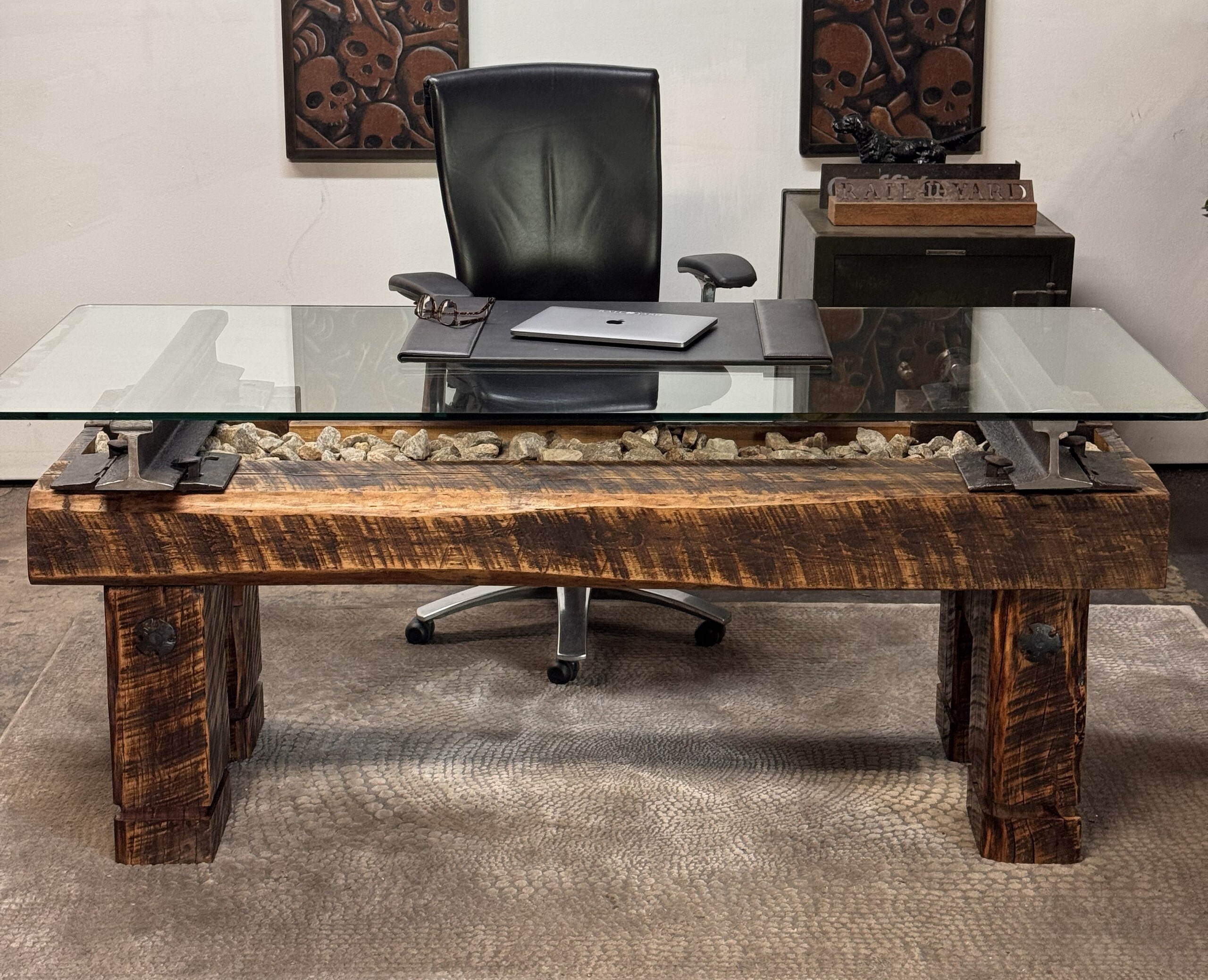
That history gives the Master Bridge Builder's Ballast Deck Desk from Rail Yard Studios its name and character.
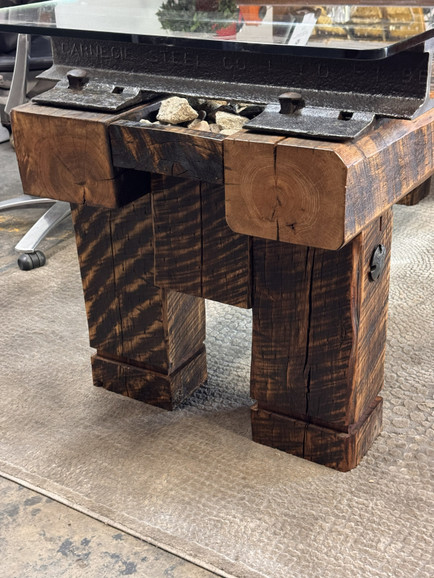
Its design draws inspiration from the heavy infrastructure beneath the railroad—the steel, timber and ballast-deck construction engineered to support tremendous weight safely, day after day.
The materials have their own railroad history, too. Rather than hiding the industrial past, Rail Yard Studios preserves it: weathered surfaces, massive proportions and details that remind us these materials once had a job to do.
More than a century after Ashtabula helped change the way engineers thought about railroad bridges, that same principle remains fascinating:
Strength isn't merely how something looks. It's how it's built.