
The Crossing That Changed the Law | Railroad History
Posted by Sally Hendrick on Oct 22nd 2026
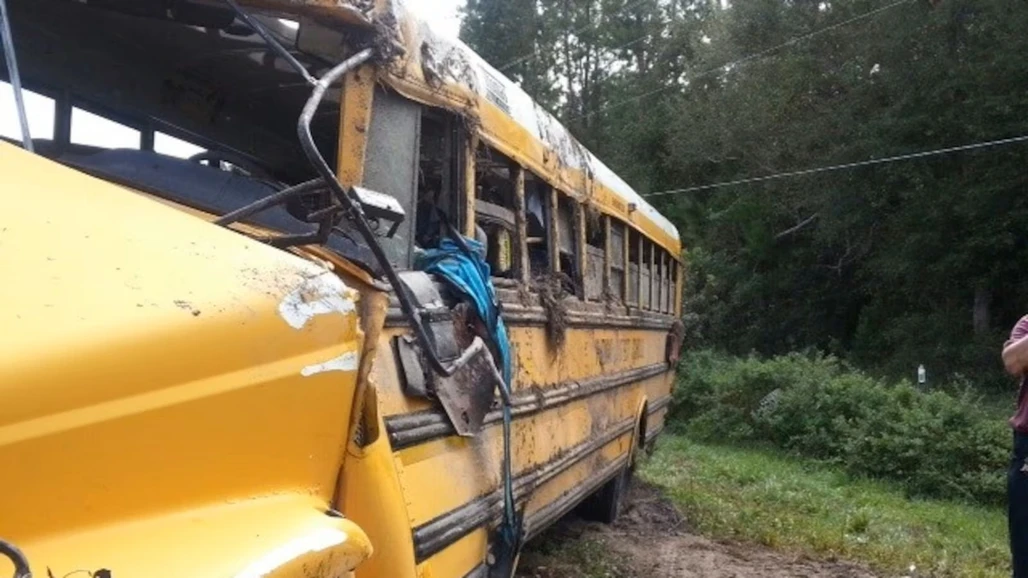
On a cold, foggy morning in December 1938, a school bus carrying children toward Jordan High School in Utah approached a railroad crossing. The driver had made this trip many times before. But on December 1, an ordinary ride to school would become one of the deadliest railroad crossing disasters in American history.
Within seconds, 23 students and their bus driver would lose their lives.
 A Deadly Collision at a Railroad Crossing
Near South Jordan, Utah, a school bus approached the tracks of the Denver & Rio Grande Western Railroad. Dense fog and poor visibility made the crossing especially dangerous.
As the bus crossed the tracks, a freight train struck it, tearing the vehicle apart and scattering wreckage along the railroad.
The tragedy devastated families throughout the community. An ordinary school morning had turned into a nightmare that would leave an enduring mark on Utah history.
How the 1938 Bus Disaster Changed Railroad Safety
The collision exposed a deadly weakness in railroad crossing safety.
At the time, school bus drivers were not universally required to stop at railroad crossings. The Utah disaster helped accelerate changes in state laws and safety procedures designed to protect schoolchildren.
New requirements increasingly emphasized stopping, looking, and listening before crossing railroad tracks.
The tragedy became a painful reminder that a few seconds of caution could mean the difference between life and death.
Today, school buses are required to stop at most railroad crossings under federal and state safety regulations—a practice shaped in part by tragedies like this one.
 The Railroad Crossing Preserved in American Design
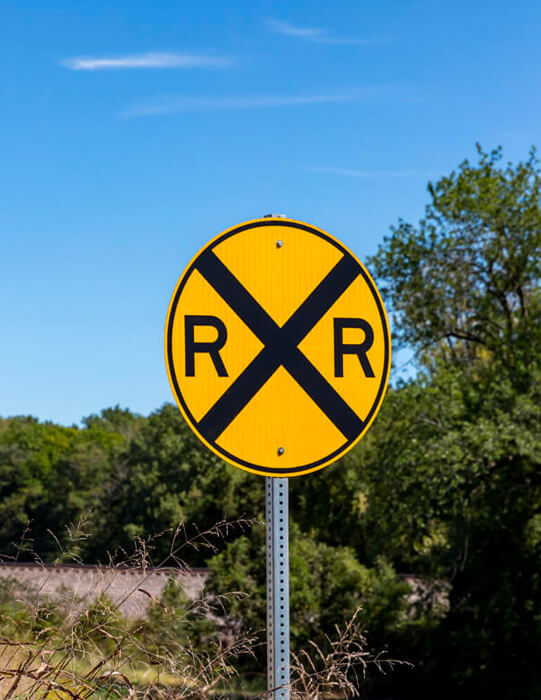
Railroad crossings have long symbolized the intersection of everyday life and the powerful machinery that built America. Their familiar X-shaped crossbuck signs remain among the most recognizable symbols of railroad history.
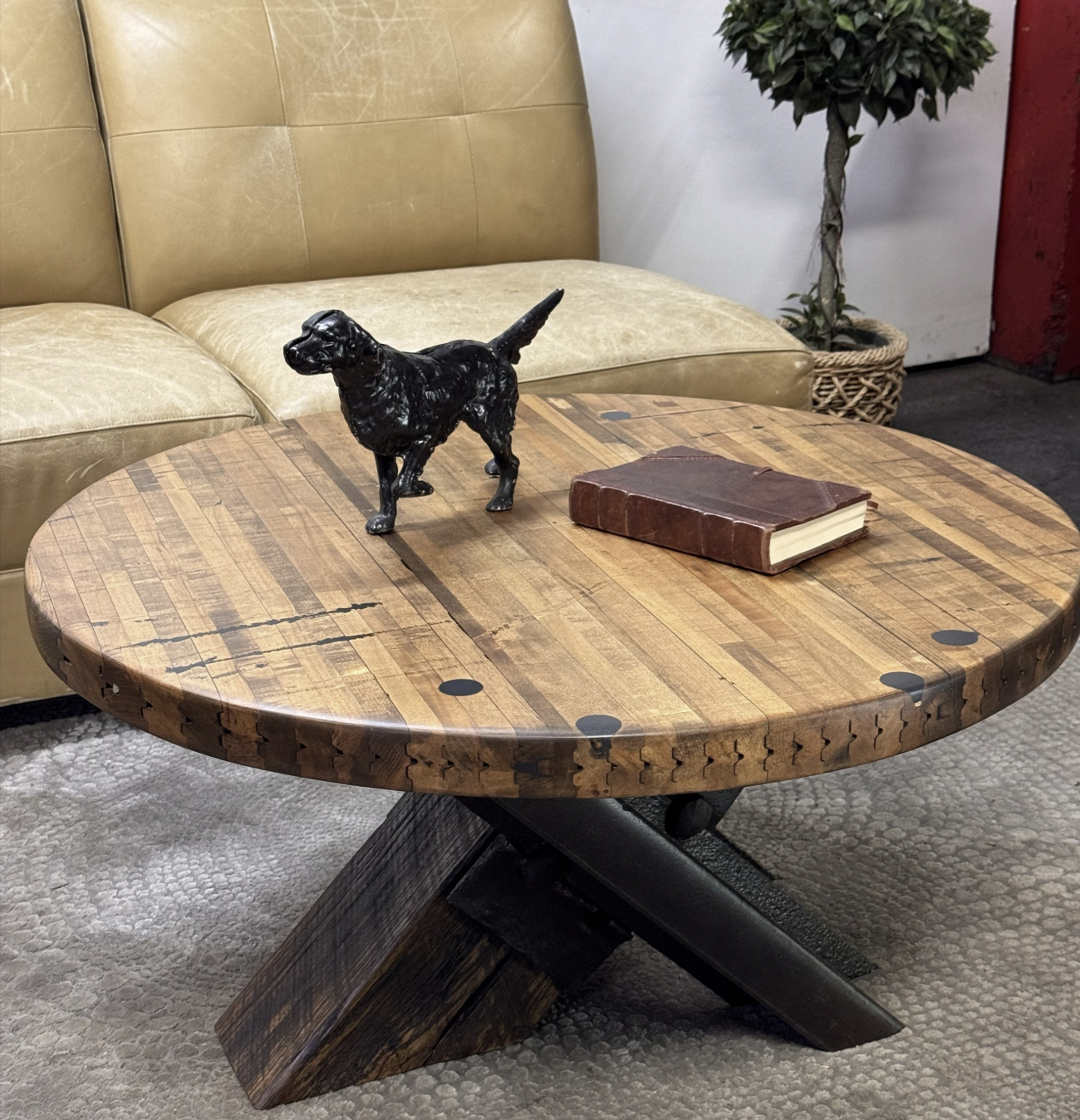
That distinctive shape inspired the Crossing Coffee Table from Rail Yard Studios.
Handcrafted using authentic reclaimed railroad rail, the table transforms the unmistakable geometry of a railroad crossing into a functional piece of industrial furniture.
It's a design that celebrates railroad heritage while reminding us that even the simplest elements of railroad infrastructure carry remarkable stories.
Some crossings change a journey. Others change history.