
The Pullman Strike of 1894: When America’s Railroads Nearly Stopped
Posted by Sally Hendrick on Sep 23rd 2026
In 1894, a dispute between one company and its workers grew into a nationwide confrontation that crippled rail traffic, brought federal troops into Chicago and became a defining moment in American labor history.
At the center of it all was one of the biggest names in railroading: Pullman.
 A Company Town Reaches Its Breaking Point
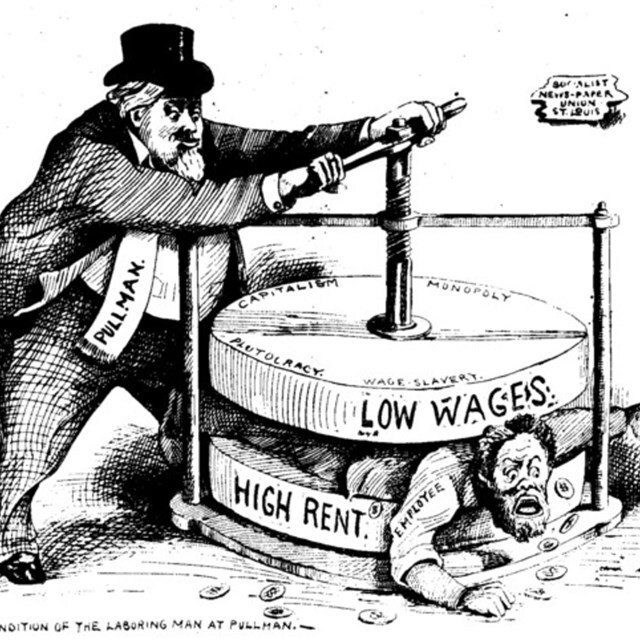
George Pullman built luxury sleeping cars—and an entire company town outside Chicago for the people who made them.
Then the Panic of 1893 devastated the railroad industry. Orders for Pullman cars declined, and the company responded by cutting jobs and wages. But there was a problem.
Pullman didn't make corresponding reductions to the rents workers paid for company-owned housing.
By May 1894, thousands of Pullman workers had had enough. They walked off the job.
A Strike Spreads Across the Railroad
The dispute might have remained local if not for the American Railway Union, led by Eugene V. Debs.
Union members began refusing to handle trains carrying Pullman cars. Because those cars were used so extensively, the boycott spread rapidly, disrupting passenger and freight traffic across much of the country.
The federal government obtained an injunction against the boycott, and President Grover Cleveland's administration sent thousands of U.S. marshals and Army troops into the conflict. Violence around Chicago rail yards left dozens dead and others wounded. By mid-July, the boycott had collapsed and union leaders, including Debs, faced prosecution.
The Pullman Strike demonstrated something America could no longer ignore: the railroad wasn't simply transportation. It was an interconnected system capable of moving—or stopping—a nation.
 From Flatcars to Furniture
Not every railroad car carried passengers.
Flatcars were the workhorses of the rails, built with open decks to haul heavy and oversized loads wherever the railroad needed them.
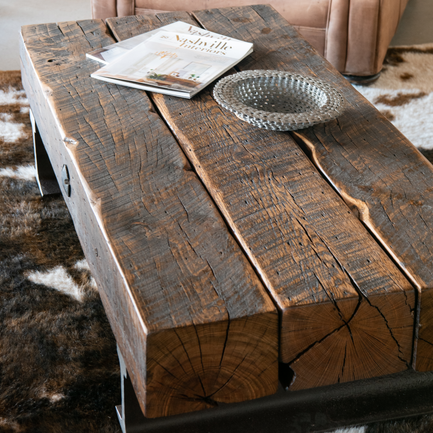
That utilitarian strength inspired the Flatcar Coffee Table from Rail Yard Studios. Massive wooden timbers rest across two sections of genuine 132-pound rail retired from railroad service, creating a low-profile design reminiscent of the heavy-duty cars that kept freight moving.
More than a century after the Pullman Strike demonstrated just how important America's railcars had become, their influence remains.
Because sometimes you don't understand what keeps a country moving until it stops.